

本站推荐电影
-
·严控进校园活动数量,保障教师收入待遇,宝山发布这项“清单”
·塔山革命烈士陵园完成提升改造
·后场人员过剩! 快船引入斯特鲁斯后坐拥八名后卫
·不用争论了!自动驾驶违法由车企担责 国家道路交通安全法修订草案明确
·朝媒谴责高市早苗8月15日遥拜靖国神社并供奉祭祀费:军国主义野心膨胀到极点,日本刻意回避侵略历史、拒绝吸取教训,势必将重蹈历史覆辙
·PM to launch Rozgar Mela for 10L aspirants
·深度 | 联大将开幕,疫情以来首次重返线下,将有哪些看点?_危机_世界
·九部门联合发文:激发下沉市场活力 活跃县域消费
·华硕成立元宇宙公司 并推出首个NFT市场--艺术黑洞
·文件提交不完整:FAA担心波音无法及时完成737 MAX 7认证
·演唱会门票未核销,本人愿承担手续费被拒退票
·业内人士爆料:中国游客被遗弃系低价旅游团问题!强制消费或为默许
·美最新研究:新冠病毒使至少50万人脱离美国劳动力市场_疫情_戈皮
·定制AI婚纱照 新人有了新选择
·【二十四节气】——冬至
本站推荐电视剧
-
·주병기, 쿠팡 공정위 조사 거부에 "철저히 대처…고발할 것"
·拼多多被降权了怎么办
·学生专享:京东 PLUS 会员 49.5 元 / 年开学季年内探底
·Kansas Voters Reject Amendment to Strip Abortion Rights From State Constitution By Nearly 2-1 Margin
·每一种奋斗皆有魔力|在山城看到大众的魔力时刻
·US launches website for students' debt relief
·Turkey to Conduct Operation 'Understandable' to International Community in Syria, Erdogan Says
·Dileep Acquitted in 2017 Actor Assault Case As Court Convicts Six Others
·拼多多选品技巧
·「稼ぐためには何をやってもいい」…摘発された『神のエステ』で行われていた“過激すぎるサービス”
·对话海光杜夏威:Token经济的“正向循环”怎么走?
·Comicomment: Targeting Chinese AI, exposing a double standard
·BIG6主帅音乐偏好:瓜帅是酷玩乐队铁粉,阿莫林迷上《乡村路》
·果然财经|车厘子快比草莓便宜了!车厘子草莓最高性价比时刻来临
·外部媒体:三星Galaxy F内置双电池,总容量6200毫安时
电影下载排行
-
·罗技数字铅笔上架苹果官网 比一代Apple Pencil便宜
·中宣部版权管理局:2023年我国全年著作权登记总量超892万件 同比增长40.46%
·人民日报推重磅节目,详述国民品牌跃迁之路,OPPO首期亮相引热议_手机_创新
·XBOX One Insider会员新功能:主页改进、本地存档管理及个人资料徽章
·大鹏探探探 | 河北首家山姆会员店,记者带你抢“鲜”看
·vivo 发布 X Fold+,联合富途刷新折叠屏金融体验天花板
·1至7月河北经济运行总体平稳向新向优
·中消协提醒不宜仅参考AI决策!曾有人按AI建议退改签亏钱
·阿里云 vs 腾讯云 vs 华为云:2026年三大主流云服务器实测对比
·Trust in US Media Undermined by Proliferation of Partisan Outlets & Bias Claims, Experts Say
·无语!奥克兰抢劫累犯强奸女生!法官这样判决……
·护联中心社区关爱联盟成果丰硕 扩大合作惠及更多乐龄中心
·घर आई मीडिया पर क्यों गुस्साईं Sunita Ahuja? तलाक की खबरों के बीच पति Govinda संग किया गणपति का स्वागत
·薬丸裕英の還暦パーティーが話題 元アイドル妻の今にネット驚き「本当に59歳ですか?」…“同期”松本伊代が報告
·寿光体彩爱心足球助力“V小超”
电视剧下载排行
-
·नेचुरली शाइनी और घने बनाना है बाल, तो आजमाएं ये होममेड सीरम और पाएं लॉन्ग एंड स्ट्रॉन्ग हेयर
·美国山火再升级,损失超上万亿!特朗普儿子曝光内幕,果然不简单
·原创 杨幂晒贵阳旅行照!完全卸下明星包袱的路透,把当地小吃带火了!
·Chiranjeevi, Venkatesh Scenes a Major Highlight in Mana Shankara Vara Prasad Garu
·1月9日福彩中奖号码
·iPhone成性价比手机代名词!苹果:笑看安卓厂商销量下滑
·核显“入门游戏本”:联想发布 LOQ Essential 15IPH11
·丰立智能:本次计提信用减值损失及资产减值损失合计减少公司2026年半年度利润总额约950万元
·福建厦门翔安大桥主桥成功合龙
·诺特兰德保健食品旗舰店(拒收不退款)
·Intel Core i9-9990Xe曝光:频率高达5.0GHz,仅用于拍卖
·差距断崖!美国稀土储量180万吨,再看中国稀土资源,差距太大!
·马斯克重磅警告:2024或是美国公民决定国家命运的最后机会!
·Papi酱把公司全关了,只留七个人
·44年前,内蒙一女军医被头公狼拦住,她跟着公狼走向草丛的深处
妖兽都市
-
发布时间:2026-08-26
西西里的美丽传说
添可,拖地机一直无法充电,已返厂未处理_我的网站

A |
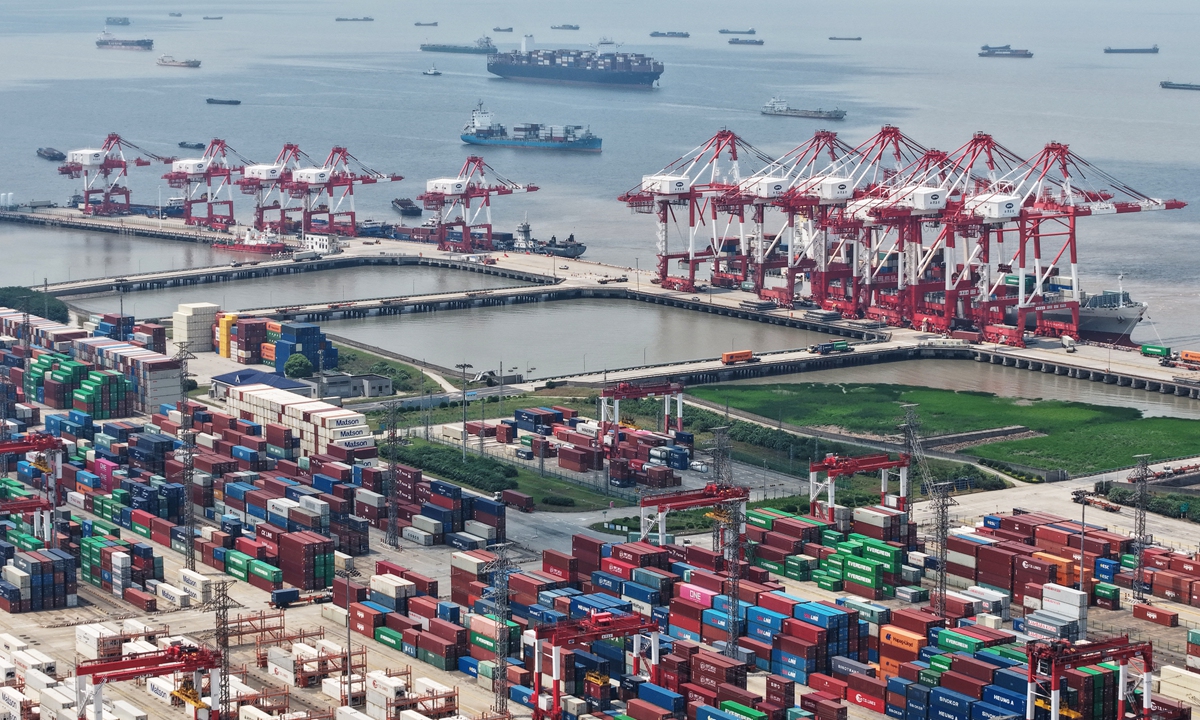
China's rapid rise in innovation capabilities has drawn broad recognition and positive assessments from the international community. However, some have taken a different stance, expressing concerns over China's technological and industrial advancement and even promoting the so-called "China Shock 2.0" narrative for various reasons, including the unfounded claim that China's industrial development is limiting others' growth opportunities.
A closer look reveals why this narrative does not hold up, for two fundamental reasons.
First, this narrative deliberately overlooks the inclusive, open and empowering nature of China's innovation.
China has always been a committed practitioner, active promoter, and major contributor to global economic, trade and technological cooperation. Through technological advancement and industrial upgrading, China has not only developed itself, but also provided the world with an increasing number of "innovation dividends."
For instance, digital economy, technological innovations in areas such as artificial intelligence applications, mobile payments and e-commerce have provided developing countries with valuable pathways for digital transformation. In the green energy sector, advances in China's photovoltaic, wind power and new energy vehicle industries have directly driven down the global cost of renewable energy, offering affordable solutions for countries tackling climate change. In consumer markets, high-quality, efficient, and cost-effective Chinese products have expanded global supply, reduced living costs and helped ease inflationary pressures worldwide.
Moreover, fast-growing Chinese innovation-driven companies have delivered returns of several times or even dozens of times for investors from around the world.
Companies from around the world can quickly find partners in China across the entire innovation chain, from research and development (R&D) and pilot production to mass manufacturing, making the commercialization of innovation more efficient.
They have not only succeeded in the Chinese market, but also strengthened their competitiveness globally. Facts have demonstrated that China's emerging technologies and products bring opportunities rather than shocks, and empowerment rather than threats to the world.
Second, it ignores the fundamental trends of technological innovation and the underlying dynamics of industrial evolution.
China's innovation has been built through years of strengthening its own capabilities. In recent years, the country has continued to increase investment in research and development, with its R&D spending ranking second globally.
Funding for basic research has reached a record high as a share of total R&D expenditure, while its pool of scientific and technological talent continues to expand. Through closer collaboration between the scientific community and industries, China has made rapid technological progress, driven continuous industrial upgrading and taken a leading position in some fields.
Innovation-driven development inevitably fuels industrial transformation and the dynamic reshaping of global production capacity, which is a natural outcome of international industrial division and cooperation.
For example, after years of technological accumulation, China has seized the opportunities created by the global green transition and developed competitive strengths in the "new trio" industries - new energy vehicles, lithium batteries and photovoltaic products - which have gained growing popularity in global markets. Portraying China's industrial upgrading as a "shock" is, in essence, a rejection of the broader historical trend of economic globalization.
"Innovation dividends" represent a positive-sum game, as the benefits of technological progress ultimately serve humanity. Distorting China's technological and industrial innovation and promoting the so-called "China Shock 2.0" narrative reflect outdated zero-sum thinking in some countries, while also revealing attempts to use criticism of China as a pretext to further advance protectionist policies.
Cutting through the rhetoric of protectionism, it becomes clear that the so-called "China Shock 2.0" narrative and "China overcapacity" claims are politically driven narratives that are detached from reality and lack factual basis.
Over the past decade, China has remained a major engine of global economic growth, contributing around 30 percent to global growth. In the past, China mainly provided the world with "market dividends" through its vast domestic market and cost advantages. Today, while continuing to offer greater "market dividends," China has also created "development dividends" by serving as a stable anchor and important hub for global industrial cooperation through its industrial growth. It is also providing the world with increasing "innovation dividends" through technological advancement.
China's market advantages, industrial development and technological progress are generating growing "market dividends," "development dividends" and "innovation dividends." These benefits, working together and reinforcing one another, are creating greater development opportunities and broader space for the world, offering a key perspective for understanding "China Opportunity 2.0."
Amid a complex and volatile international landscape and slowing global economic growth, innovation has become a crucial pathway to counter downward pressures and generate new growth momentum. Addressing global growth challenges requires greater cooperation in innovation. Rather than spending efforts on crafting the "China Shock 2.0" narrative, some countries should focus on domestic structural reforms and enhance their industrial competitiveness through openness and cooperation.
Embracing China means embracing the future. By using technological innovation to drive industrial innovation, China is accelerating the development of new quality productive forces. At the same time, China continues to expand high-level opening-up and provide new opportunities for the world through its own development. A more open and innovation-driven China will continue to deliver greater development dividends and work with countries around the world to build a more prosperous future.
This was compiled and translated by the Global Times English edition based on an article published in the "Chisu Jinsheng" economic commentary column of the People's Daily on August 7, 2026.
。 本人于2026年1月7日在抖音平台购买添可洗地机。2026年8月7日设备出现无法充电故障,联系添可客服后,按照客服要求将机器寄回厂家返厂处理。厂家收到机器后反馈已完成检测处理,告知机器一切正常,于2026年8月9日寄回,本人8月10日签收取回。 机器取回后,仅使用至2026年8月17日,再次发生无法充电的同一故障。再次与添可...。
Current article:http://p402j.jiubengtaibingpengou.pics/45m1wi/dxwryhb.html
Published on:06:32:49
下载地址2:点击进入迅雷高速下载 温馨提示:邀请好友一起下,可提高下载速度,若遇无法下载,可另选时间尝试或重装软件!
下载方法:安装软件后,点击即可下载,谢谢大家支持,欢迎每天来!